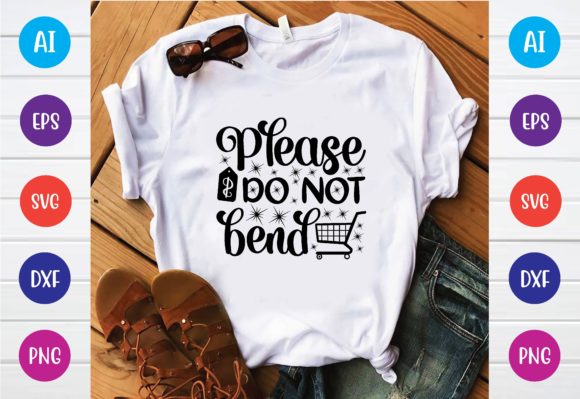
Reviewing the Please Do Not Bend SVG for Real Embroidery
As a designer who spends more time staring at stitch previews than actual fabric, I have learned to be skeptical of digital assets that promise versatility without proving durability. When I first pulled up the Please Do Not Bend Svg file, my initial reaction was not about its cutability for vinyl, but about its potential as a bold statement piece in machine embroidery. The phrase itself carries a specific weight—it is protective, urgent, and slightly humorous when applied to soft goods. This duality makes it a fascinating candidate for T-Shirt Designs and personalized gifts alike.
The visual personality of this graphic is straightforward. It mimics the authoritative typography found on postal packaging, which creates an immediate sense of recognition. For an embroidery project, this clarity is crucial. Complex scripts often get lost in thread texture, but blocky, instructional text tends to hold up well under the needle. My first impression was that this design belongs on items that are handled frequently or shipped with care, such as tote bags, laptop sleeves, or even sturdy aprons. It feels less like delicate decor and more like functional branding for the modern maker.
From Screen to Stitch: Practical Application
Let’s look at a real-life scenario. Imagine you are preparing a custom order for a local boutique that sells handmade ceramics. They need packaging that reflects their brand’s careful handling process. Using the Please Do Not Bend Svg as inspiration for an embroidered patch on their canvas tote bags could be a brilliant move. The design’s rigid structure contrasts nicely with the softness of cotton canvas, creating a tactile experience that customers appreciate.
However, translating a cutting file into a machine embroidery design requires careful consideration of stitch types. Since this is provided as an SVG, it is primarily a vector outline. To use it effectively in embroidery software, you must convert these paths into appropriate stitch structures. I recommend using a dense satin stitch for smaller versions to keep edges crisp, or a tight fill stitch for larger applications where you want solid coverage. Avoid relying solely on running stitch outlines unless you are going for a sketchy, minimalist aesthetic, as they may not convey the bold authority the text implies.
This graphic performs exceptionally well on custom apparel like sweatshirts and hoodies. The thick lettering allows for high visibility against textured fabrics like fleece or French terry. For Etsy sellers looking to expand their craft business offerings, this design can be adapted for baby embroidery projects, such as diaper bags or stroller covers, adding a playful warning to parents and caregivers. It also works beautifully for holiday embroidery gifts, particularly for friends who are known for being protective over their belongings or pets.
Navigating Fabric and Hoop Constraints
While the design is versatile, it is not without its challenges. The primary concern with any text-based embroidery file is legibility at small sizes. If you attempt to stitch this on a curved surface like a cap, you must ensure the font size remains large enough to prevent the letters from merging. Stitch density plays a critical role here; too dense, and you risk puckering the fabric; too loose, and the message becomes unclear.
When working with stretchy fabric or thin materials, proper stabilization is non-negotiable. I always advise using a cut-away stabilizer for garments that will undergo frequent washing, such as tote bag designs or daily-wear t-shirts. For dark fabric, consider using a lighter thread color to maximize contrast, or test the design in black and white mockups first to ensure the shape remains distinct without relying on color differentiation. The sharp corners in the "Bend" and "Do" letters may require careful digitizing to prevent thread breaks or bunching, so always inspect the preview for potential jump stitches or excessive trims.
For those interested in applique design, this SVG is an excellent candidate. You can stitch the outline, place a contrasting fabric piece, and then secure it with a satin stitch border. This technique reduces bulk and adds a professional finish to small shop products. It is particularly effective for embroidered patch creation, where you can merge multiple layers of fabric for a rugged, vintage look.
Enhancing Brand Value and Customer Trust
In the world of digital embroidery file sales and finished goods, presentation is everything. A well-executed version of Please Do Not Bend Svg signals attention to detail. When customers see clean lines and consistent tension in your finished product, it builds trust in your brand. This design, with its clear message, can become a signature element for businesses that prioritize care and quality.
For commercial embroidery projects, consistency is key. Ensure that your thread colors align with your brand palette. If you are selling design assets or printable mockup previews, show the design on various backgrounds to help buyers visualize the end result. Highlight how it looks on both light and dark fabrics, and emphasize its suitability for personalized gift occasions. Buyers engage more with products that tell a story, and this design tells a story of protection and value.
Designer Notes for Best Results
- Test on Scrap Fabric: Always run a test stitch-out on the same material you plan to use for the final product. This helps you adjust tension and density before committing to expensive blanks.
- Check Thread Contrast: Ensure there is sufficient contrast between the thread and the fabric. Low contrast can make the text difficult to read, defeating the purpose of the design.
- Verify Licensing: Since this is an instant download compatible with cutting software, confirm whether the license extends to commercial embroidery sales. Some creators allow physical sales but restrict digital redistribution.
- Inspect Small Details: Zoom in on your digitizing software to check for tiny gaps or overlapping stitches in the corners of the letters. Clean up any unnecessary nodes to ensure smooth stitching.
- Consider Hoop Size: Choose a hoop size that allows for adequate stabilization around the design. Avoid placing the design too close to the edge of the hoop to prevent distortion.
Ultimately, the Please Do Not Bend Svg is more than just a cutting file; it is a versatile graphic that, when treated with respect for the embroidery process, can elevate your handmade product line. Whether you are creating sweatshirt embroidery for a local team or designing kitchen towel sets for holiday gifts, this design offers a blend of humor and utility that resonates with modern consumers. By paying attention to stitch density, fabric choice, and stabilization, you can transform a simple vector into a high-value textile asset.