Reviewing Farmers Market Svg for Real Embroidery Projects
As a designer who spends half my day digitizing and the other half stitching, I have learned to look past the glossy preview images. When I downloaded the Farmers Market Svg, I was not just looking for a cute graphic. I was evaluating whether this design could hold up under the needle, survive a wash cycle, and actually sell in a competitive handmade marketplace. The description notes it is an instant download cutting file compatible with software like Cricut and Silhouette, which immediately signals its origin as a vector graphic intended for vinyl or paper crafts. However, for us embroidery professionals, the real question is how these clean lines translate into thread.
First Impressions and Visual Personality
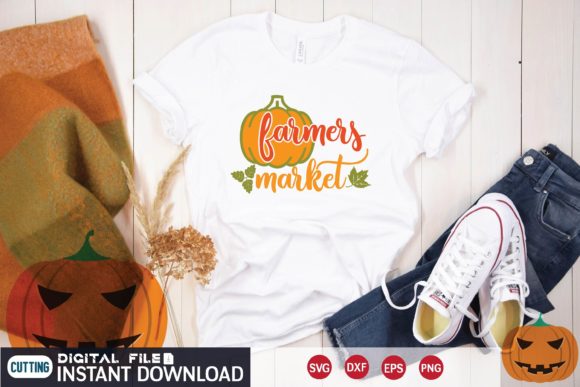
The first thing that strikes you about the Farmers Market Svg is its rustic, wholesome charm. It evokes the feeling of early morning dew on fresh produce, wooden crates, and community connection. The layout typically features bold, readable typography paired with iconic imagery like baskets, vegetables, or market stalls. For a T-Shirt Designs category item, this aesthetic is incredibly versatile. It does not scream for attention with neon chaos; instead, it invites a second look with its balanced composition.
From a Graphics perspective, the shapes are generally solid and well-defined. This is crucial for embroidery. Unlike complex photographs that require thousands of color changes and dense stitch counts, this style of design relies on strong silhouettes. When I visualize this on a tote bag or a kitchen towel, I see a design that breathes. It has enough negative space to prevent the fabric from puckering, provided the digitizing is handled correctly. The mood is welcoming, making it an ideal candidate for personalized gifts or boutique branding where warmth and authenticity are key selling points.
Real-World Application: The Tote Bag Test
To truly evaluate a design, you must imagine it on a specific product. Let’s consider a custom embroidered tote bag, a staple for any craft business. Cotton canvas is forgiving, but it has a distinct texture. If the Farmers Market Svg is used here, the bold lines of the vector art need to be converted into a machine embroidery design with appropriate stitch types. I would likely use a combination of satin stitch for the text and fill stitch for any larger graphic elements like a basket or fruit icon.
In this scenario, the design performs well because it is not overly intricate. Small, fiddly details often get lost in the weave of canvas or cause thread breaks. This design’s strength lies in its simplicity. A customer walking through a farmers market carrying this bag becomes a walking advertisement for your small shop product. The visual appeal is high because it feels intentional and artisanal, not mass-produced. It enhances the perceived value of the handmade product, suggesting that the buyer supports local, sustainable lifestyles.
Versatility Across Product Lines
Beyond tote bags, this design has significant potential in custom apparel. Imagine it stitched on the left chest of a heavyweight sweatshirt. The contrast between the soft fleece and the structured embroidery adds tactile interest. It also works beautifully for baby embroidery projects, such as a bib or a onesie, where parents appreciate gentle, nature-inspired themes. For holiday embroidery, particularly around Thanksgiving or Earth Day, this motif fits seamlessly into seasonal collections.
For Etsy sellers and digital product sellers, this asset is valuable because it can be adapted. While the source is a cutting file, many designers use these vectors as a base for creating their own digital embroidery files. If you are selling finished items, ensure you have the right license for commercial embroidery. If you are selling the design itself, you must digitize it properly, adjusting stitch density and underlay to suit different fabric textures.
Technical Considerations and Pitfalls
While the Farmers Market Svg is visually appealing, there are areas where caution is required. Since it originates as a cutting file, it lacks inherent embroidery data. You cannot simply import an SVG into every embroidery machine and expect perfect results. You must check the scale. What looks great on a screen might be too large for a 4x4 hoop or too small for a 5x7 hoop without losing clarity.
Pay close attention to small lettering. If the design includes tiny text, such as "Est. 2024" or specific vegetable names, these may need to be simplified or enlarged. Tiny serif fonts can become illegible when stitched with thread, especially on textured fabrics like terry cloth or waffle knit. In such cases, switching to a sans-serif font or increasing the stroke width is necessary to maintain stitching clarity.
Another critical factor is fabric choice. On stretchy fabrics like jersey knits for t-shirts, a dense fill stitch can cause distortion. Here, using a proper stabilizer is non-negotiable. I recommend a cut-away stabilizer for garments that will be washed frequently. For woven fabrics like aprons or pillow covers, a tear-away might suffice, but always test on scrap fabric first. Dark fabrics present another challenge; if the design uses light thread colors, you may need to adjust the underlay or add a backing layer to prevent the fabric color from showing through the stitches.
Enhancing Brand Consistency and Trust
Using a cohesive design like Farmers Market Svg helps build brand consistency. If your shop focuses on rustic, homegrown, or eco-friendly themes, this graphic reinforces that identity. Customers trust brands that look professional. A poorly stitched design with loose threads or misaligned elements erodes that trust. Conversely, a crisp, well-executed embroidery project signals quality.
When creating printable mockups for your online store, ensure the digital representation matches the physical reality. Use high-quality photos of the finished product on actual models or lifestyle settings. Show the texture of the thread and the drape of the fabric. This transparency reduces returns and increases buyer engagement. For creative entrepreneurs, this design serves as a reliable asset that can be rotated through various seasonal campaigns without feeling stale.
Practical Designer Notes
Before committing to a full production run, follow these steps:
- Test on Scrap Fabric: Always stitch out a sample on the same material you plan to use for the final product. Check for puckering, thread breaks, and registration issues.
- Check Thread Color Contrast: Ensure your thread colors stand out against the fabric. Earth tones work well for this theme, but verify visibility on dark backgrounds.
- Review Stitch Density: If you are digitizing this yourself, avoid overly dense fills. Too many stitches can make the garment stiff and uncomfortable.
- Confirm Hoop Size: Measure the design dimensions against your machine’s maximum hoop size. Resize if necessary, but be mindful of detail loss.
- Inspect Small Details: Zoom in on the vector file. Are there stray nodes or overlapping paths? Clean up the SVG before digitizing to ensure smooth stitching.
- Verify Licensing: Since this is an instant download cutting file, confirm if the license allows for commercial use of finished embroidered goods. Some creators restrict the sale of digital files but allow physical products.
In conclusion, the Farmers Market Svg is a strong contender for makers looking to expand their rustic or lifestyle-oriented collections. It offers a blend of charm and practicality that resonates with modern consumers. By paying attention to technical execution and fabric compatibility, you can transform this simple graphic into a high-value embroidered patch, apparel feature, or home decor item that stands out in a crowded market.