Reviewing Hoop Like a Girl Svg for Real Embroidery Projects
As a designer who has spent countless hours digitizing patterns and testing files on various machines, I approach every new machine embroidery design with a critical eye. It is not just about whether the file opens correctly; it is about how that design translates from a digital screen to physical thread on fabric. Recently, I evaluated the Hoop Like a Girl Svg to determine its viability for client work and personal craft projects. This review breaks down the practical application of this graphic, moving beyond marketing hype to discuss stitch behavior, fabric compatibility, and commercial potential.
First Impressions and Visual Personality
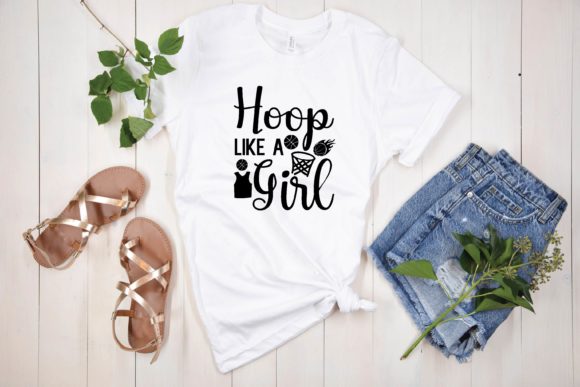
The first thing that strikes you about the Hoop Like a Girl Svg is its bold, declarative nature. In the world of T-Shirt Designs and apparel graphics, typography-driven pieces need to balance readability with artistic flair. This design carries a mood of empowerment and modern simplicity. For an embroidery project, this is advantageous because clean lines and strong shapes tend to stitch out more reliably than overly intricate illustrations.
When I loaded the file into my software, I looked immediately at the layout. The composition suggests a design meant to be a focal point. It does not hide in the background; it demands attention. For handmade product creators, this means the design works best when given enough space to breathe. It feels natural on items where the message is the primary value proposition, such as a custom tote bag or a statement sweatshirt. The visual personality is friendly yet firm, making it suitable for a wide demographic ranging from teens to adults who appreciate witty, feminist-inspired aesthetics.
Real-World Application: The Sweatshirt Test
To truly understand how an embroidery file performs, you must imagine it on a specific substrate. I visualized this design on a mid-weight cotton fleece sweatshirt. This is a common request for small shop products and Etsy sellers during the cooler months. The thickness of fleece provides a stable base for stitching, reducing the risk of puckering that often plagues thinner fabrics.
In this scenario, the Hoop Like a Girl Svg would likely require a combination of stitch types. The lettering might benefit from a satin stitch if the font weight allows, providing a shiny, raised texture that catches the light. However, if the letters are too wide, a fill stitch might be necessary to prevent long floats that can snag. As a reviewer, I advise checking the digitization carefully. If this is primarily an SVG for cutting, converting it to an embroidery format requires careful attention to stitch density. A dense fill on a stretchy sweatshirt without proper stabilization will result in a stiff, uncomfortable patch rather than a soft, integrated design.
Fabric Considerations and Technical Challenges
Not all fabrics behave the same way. While the design looks crisp on screen, real-life embroidery introduces variables like fabric texture and stretch. For baby embroidery or delicate items, you must exercise caution. If you plan to use this on a thin cotton onesie, the stitch density could cause the fabric to gather or distort. In such cases, using a high-quality cut-away stabilizer is non-negotiable. It supports the stitches during washing and wear, ensuring the finished product maintains its shape.
Dark fabrics present another challenge. If you are stitching white or light-colored thread on a navy or black garment, you need to ensure there is sufficient underlay. Without proper underlay stitching, the fabric color may show through the top threads, muddying the clarity of the text. I always recommend running a test stitch-out on scrap fabric of the same type and color before committing to the final piece. This simple step saves time, thread, and customer trust.
Commercial Viability for Craft Businesses
For the Etsy seller or creative entrepreneur, the commercial appeal of Hoop Like a Girl Svg lies in its versatility. It fits seamlessly into categories like personalized gifts, holiday embroidery, and boutique branding. Because the theme is empowering, it resonates well with customers looking for meaningful presents. Whether it is applied to a canvas tote bag design or a structured cap, the message adds perceived value to the item.
However, since the product description notes compatibility with cutting software like Cricut and Silhouette, it is crucial to distinguish between cutting and stitching. If you are using this as a graphic for heat transfer vinyl (HTV) on t-shirts, the application is straightforward. But if you are adapting it for machine embroidery, you must ensure you have the correct digital embroidery file format. Using a cutting file directly for embroidery without proper digitization will lead to poor results. Always confirm licensing terms before selling finished items. Most designers allow commercial use of finished physical products, but restrictions may apply to reselling the digital file itself.
Design Placement and Hoop Size Strategy
Placement is key to professionalism. On a t-shirt, centering the design on the chest is standard, but for a more modern look, consider placing it slightly off-center or on the sleeve. For caps and hats, the curved surface requires a smaller version of the design to avoid distortion. A large, wide design will not wrap well around the front panel of a baseball cap. In these instances, scaling down the Hoop Like a Girl Svg while maintaining legibility is essential.
Always check your hoop size capabilities. If the design is larger than your standard 4x4 inch hoop, you may need to split the design or use a larger hoop if your machine supports it. Splitting designs can leave visible seams, so it is often better to choose a design that fits within a single hooping area for a cleaner finished product.
Final Verdict and Designer Notes
The Hoop Like a Girl Svg is a strong contender for makers looking to add impactful messaging to their inventory. Its strength lies in its clear theme and adaptable layout. However, success depends on technical execution. Here are my final practical notes for anyone using this asset:
- Test on Scrap Fabric: Never skip this step. Check for puckering and thread breaks.
- Contrast Matters: Ensure your thread colors stand out against the fabric background.
- Stabilize Properly: Use tear-away for stable woven fabrics and cut-away for knits and stretchy materials.
- Verify File Formats: Confirm you have the correct embroidery file type (such as PES, DST, or JEF) if stitching, not just cutting.
- Check Licensing: Review the terms to ensure compliance for commercial sales of physical goods.
In conclusion, this design offers genuine potential for custom apparel and handmade products. When treated with the respect due to any quality embroidery project, it can elevate a simple item into a cherished personalized gift. Approach it with preparation, and it will serve your craft business well.