Evaluating the Sloth Mode Design for Real Embroidery
As a designer who has spent countless hours digitizing and stitching out files for clients, I have learned that not every cute graphic translates well to thread. When I first pulled up I m Not Lazy I m in Sloth Mode Svg, my initial reaction was one of cautious optimism. The phrase is undeniably charming, tapping into that universal desire to slow down, but as an embroidery product reviewer, I look past the slogan to the structural integrity of the design. This piece falls under the category of T-Shirt Designs and general Graphics, yet its application in machine embroidery requires a thoughtful approach to ensure the final product looks professional rather than messy.
First Impressions and Visual Personality
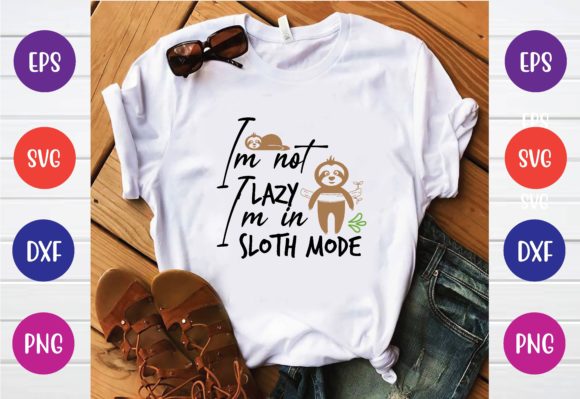
The mood created by this design is relaxed and whimsical. It speaks to a laid-back aesthetic that fits perfectly with modern casual wear. Visually, the layout suggests a balance between text and imagery, which is crucial for readability once stitched. In digital form, lines are crisp, but in embroidery, we deal with thread buildup and fabric distortion. The visual personality here is friendly and approachable, making it an excellent candidate for personalized gifts or boutique merchandise. However, the charm of the sloth theme must not compromise the clarity of the lettering. If the curves of the sloth intertwine too tightly with the text, we risk a muddy finish where the message gets lost in the stitches.
Real-World Application: The Custom Sweatshirt Test
To truly evaluate I m Not Lazy I m in Sloth Mode Svg, I imagined a real-life scenario: creating a custom embroidered sweatshirt for a local craft fair. Sweatshirts are popular items for custom apparel because they offer a stable, thick canvas for embroidery. In this context, the design needs to hold its own against the textured fabric of a fleece or cotton blend.
If I were stitching this onto a crewneck, I would position it on the left chest for a subtle, high-end look, or centered on the back for a bold statement. The key here is scale. A design that looks perfect on a screen might become illegible if shrunk too small for a chest pocket area. Conversely, blowing it up too large for the back could result in excessive stitch counts that make the garment stiff and uncomfortable. For a small shop product, comfort is just as important as aesthetics. Customers want to wear their handmade product without feeling weighed down by dense stitching.
Navigating Fabric and Hoop Constraints
One of the most critical aspects of using any digital embroidery file is understanding its limitations on different materials. While this design is marketed as compatible with cutting machines like Cricut and Silhouette, those of us in the craft business know that cutting vinyl and stitching thread are two very different disciplines. When adapting this SVG concept for embroidery, we must consider stitch density.
For textured fabrics like terry cloth towels or rough linen, a simple running stitch outline might get lost. In these cases, ensuring that the text has enough weight—perhaps through a slight satin stitch border or a clean fill—is essential. On the other hand, if you are working with thin fabric or stretchy materials like jersey knits, you must be wary of puckering. Using the correct stabilizer is non-negotiable. A cut-away stabilizer would be my go-to for garments that need frequent washing, ensuring the finished product maintains its shape over time.
Curved surfaces present another challenge. If you plan to use this on a cap or hat, the curvature can distort the text. The phrase "I'm Not Lazy" needs to remain horizontal and readable. Testing the design on a scrap piece of similar fabric is the only way to confirm that the hoop size you choose provides enough margin without cropping essential details of the sloth illustration.
Commercial Viability and Brand Consistency
For Etsy sellers and creative entrepreneurs, the visual appeal of a design directly impacts buyer engagement. A clean, well-executed embroidery project builds customer trust. If the threads overlap poorly or the colors clash, it reflects poorly on your brand consistency. I m Not Lazy I m in Sloth Mode Svg offers a versatile theme that can fit into various niches, from baby embroidery on onesies to humorous holiday embroidery gifts for stressed-out parents.
However, professionalism lies in the details. Before listing this as a commercial embroidery item, check the license terms. Just because a file is an instant download does not automatically grant commercial rights for physical goods. Always verify whether the creator allows you to sell embroidered patches, tote bag designs, or other physical items. Assuming permission can lead to legal issues down the line. Additionally, consider how the design looks in black and white mockups. If it relies solely on color to define the sloth’s features, it may not translate well to monochrome stitching options, limiting your product range.
Practical Designer Notes for Best Results
To get the most out of this design, keep these practical tips in mind:
- Test on Scrap Fabric: Never stitch a final product without a test run. Check for thread breaks and tension issues.
- Check Thread Color Contrast: Ensure the text stands out against the fabric. Dark thread on dark fabric is a common mistake that ruins readability.
- Review Stitch Density: If the design feels too heavy, consider reducing the density in your software to prevent stiffness.
- Inspect Small Details: Zoom in on the sloth’s face and limbs. Tiny details may need simplification to stitch cleanly.
- Confirm Licensing: Verify if the file allows for commercial use of finished physical goods before selling them.
In conclusion, I m Not Lazy I m in Sloth Mode Svg has strong potential for apparel decorators and makers who value humor and comfort. It fits naturally into the world of T-Shirt Designs and casual Graphics, but its success in embroidery depends on technical execution. By paying attention to fabric choice, stabilizer type, and stitch quality, you can transform a simple digital file into a high-value personalized gift or a best-selling item in your small shop product lineup. Remember, the goal is not just to stitch a design, but to create a finished product that brings joy to the wearer and pride to the creator.