Born to Be Wild: A Designer’s Real-World Embroidery Review
As a designer who has spent countless hours digitizing patterns and testing them on everything from flimsy cotton to heavy denim, I approach every new machine embroidery design with a mix of curiosity and skepticism. We have all been there: you download a file that looks stunning on the screen, only to find it puckers the fabric or loses its charm once the needle hits the cloth. Today, I am taking a close look at Born to Be Wild, a graphic that promises versatility across various mediums. My goal is not just to describe it, but to evaluate how it performs in real-life production scenarios for craft businesses and hobbyists alike.
First Impressions: Mood and Visual Personality
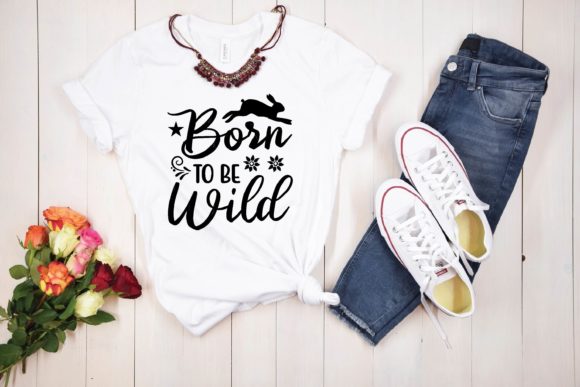
The first thing that strikes me about Born to Be Wild is its attitude. It carries a rugged, free-spirited energy that feels timeless rather than trendy. In the world of T-Shirt Designs, this is crucial. Trends fade, but themes of freedom and adventure endure. The layout appears balanced, with a visual weight that suggests it can stand alone as a central chest piece or work effectively as a larger back print.
From a technical standpoint, the shape and detail level seem well-suited for embroidery. It does not appear overly dense, which is a common pitfall in complex Graphics. Instead, it relies on strong lines and recognizable forms. This simplicity is a strength. It means the design is less likely to suffer from thread breaks or registration issues during high-speed stitching. The mood it creates is one of casual confidence, making it an excellent candidate for personalized gifts that need to feel authentic rather than mass-produced.
Real-World Application: Beyond the Screen
To truly test a design, you must imagine it on actual products. I recently considered using a similar aesthetic for a custom order involving a canvas tote bag. The Born to Be Wild design fits this application perfectly. Canvas has a distinct texture, and a design with clear, bold elements holds up well against that weave. When stitched onto a natural-colored tote, the contrast creates a rustic, artisanal look that appeals to buyers seeking unique, handmade items.
However, its versatility extends further. Imagine this on a heavyweight sweatshirt. Sweatshirt embroidery requires careful handling of stitch density to avoid stiffness. If this design utilizes appropriate fill stitches without excessive layering, it will sit comfortably on the garment, maintaining the soft drape of the fabric. For baby embroidery, the theme might need adjustment in size, but the concept of wildness can be softened with pastel thread colors, making it suitable for nursery decor or playful baby clothes.
For Etsy sellers and small shop owners, this design offers broad appeal. It works for men, women, kids, and babies, as noted in the product description. This universality reduces the need for creating multiple niche designs, allowing you to streamline your inventory. Whether used for holiday embroidery gifts or everyday custom apparel, the design’s adaptability is a significant asset for commercial embroidery projects.
Technical Considerations and Fabric Compatibility
While the design is versatile, it is not without its constraints. Experienced embroiderers know that context is everything. Here is where you need to exercise caution.
- Fabric Texture and Type: On textured fabrics like terry cloth or heavy wool, fine details can get lost. If Born to Be Wild includes intricate inner lines, they may merge on plush surfaces. Always test on scrap fabric first.
- Stretchy Materials: Knits and jersey fabrics require stable backing. Without proper stabilizer, even a well-digitized design can distort. Ensure you use a cut-away stabilizer for stretchy garments to maintain the integrity of the stitch work.
- Dark Fabrics: If you are stitching on black or navy, consider the thread colors carefully. High contrast is key. A satin stitch border might help define the edges if the fill stitch blends too much with the background.
- Curved Surfaces: Applying this to caps or hats requires checking the hoop size and curvature. Detailed corners can pucker on curved surfaces if the pull compensation is not adjusted correctly.
Another critical factor is the stitch density. Dense areas can make a garment stiff and uncomfortable, especially for baby items or lightweight tees. Review the design settings in your software. If possible, reduce the density slightly for softer fabrics. Conversely, for durable items like aprons or patches, a higher density ensures longevity and resistance to frequent washing.
Enhancing Product Value and Brand Consistency
How does Born to Be Wild affect your brand? For handmade product sellers, consistency is trust. If your brand leans towards outdoor, adventurous, or bohemian aesthetics, this design reinforces that identity. It adds professionalism to your portfolio because it looks intentional and well-executed.
When creating printable mockups or digital product previews, the clarity of the design matters. A clean embroidery file translates well into high-quality images for your online store. Buyers engage more with products that look crisp and professional. By choosing a design with strong visual appeal, you enhance the perceived value of the finished product. It signals to the customer that care was taken in the creation process, fostering buyer engagement and repeat business.
Practical Notes for the Embroidery Designer
Before you load this into your machine for a client project, take these practical steps:
- Check the File Format: The product description mentions it is an instant download cutting file compatible with software like Cricut and Silhouette. However, for embroidery, ensure you have the correct embroidery file formats (such as PES, DST, or JEF) for your specific machine. Do not assume compatibility; verify it.
- Test Stitch Out: Always run a test on similar fabric. Check for thread breaks, nesting, and overall balance.
- Review Licensing: Confirm whether the license allows for commercial use. If you are an Etsy seller or run a small shop, you need to know if you can sell finished items made with this design. Never assume; read the terms.
- Color Planning: Experiment with thread colors. Try a monochromatic look for a subtle effect or high-contrast colors for a bold statement. Test it in black and white mockups to see how the values hold up.
- Hoop Size Confirmation: Ensure the design fits within your available hoop sizes. If it is large, you may need a multi-position hoop or a larger frame.
Final Verdict
Born to Be Wild is a solid addition to any designer’s library of design assets. It balances aesthetic appeal with practical usability. While it requires standard precautions regarding fabric choice and stabilization, its potential for creating standout custom apparel, embroidered patches, and personalized gifts is high. For the craft business owner looking to expand their product line with reliable, engaging graphics, this design offers a realistic path to creating high-quality, sellable merchandise. Just remember: the difference between a good product and a great one lies in the testing phase. Treat this design with the respect it deserves, and it will serve your creative entrepreneurs journey well.