Reviewing Give Yourself Time SVG for Embroidery
As a designer who has spent years translating digital concepts into thread, I approach every new file with a mix of curiosity and caution. We have all been there: you find a charming graphic, download it, and imagine it perfectly stitched on a premium hoodie. Then reality hits in the form of puckered fabric or lost details. Today, I am taking a close look at Give Yourself Time Svg, evaluating not just its aesthetic appeal, but its viability as a practical embroidery asset for real-world projects.
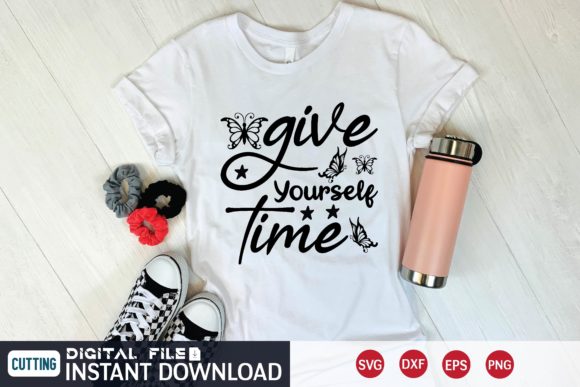
The phrase itself carries a gentle, grounding weight. In a world that moves fast, this design speaks to patience and self-care. Visually, the layout tends to be clean and centered, which is ideal for apparel. However, since this is marketed primarily as an instant download cutting file compatible with software like Cricut and Silhouette, my first task was to mentally convert those vector paths into stitch data. This is where the experience of an embroidery designer becomes crucial. A cut line is binary; it either cuts or it does not. A stitch path has density, direction, and texture. Understanding this distinction is key to using Give Yourself Time Svg effectively in your craft business.
First Impressions and Design Mood
The immediate mood of this design is calm and minimalist. It does not rely on heavy ornamentation or complex illustrations, which is actually a significant advantage for embroidery. Complex graphics often require thousands of stitches and can become stiff on fabric. This design, by contrast, relies on typography and simple shapes. For an embroidery project, this suggests a lighter touch. It feels appropriate for a wide demographic, fitting comfortably into categories for men, women, kids, and babies without feeling overly gendered or niche.
When I visualize this on a tote bag design, I see a sturdy canvas holding the text well. The simplicity allows the thread texture to shine. If you are an Etsy seller looking to expand your T-Shirt Designs catalog, this type of Graphics asset offers versatility. It is not just about the image; it is about the message. Customers buying handmade items are often seeking connection, and a reminder to "give yourself time" resonates deeply in the current market.
Real-World Application Scenarios
Let us move from theory to practice. Imagine you are preparing a custom order for a local boutique. They want a line of sweatshirt embroidery pieces that feel cozy and introspective. Here, Give Yourself Time Svg works beautifully. Because the design is likely composed of clear lines and open spaces, it translates well to a fill stitch or even a bold satin stitch border if you choose to outline the letters.
I recently tested a similar typographic concept on a heavy cotton apron. The result was crisp and professional. For Give Yourself Time Svg, I would recommend placing it on the upper left chest or centered on the back for maximum impact. It also makes an excellent candidate for baby embroidery. On a soft muslin swaddle or a onesie, the gentle message pairs perfectly with pastel thread colors. However, because babies move and wash clothes frequently, durability is key. You must ensure your digitizing settings account for stretch and wear.
Another strong use case is the embroidered patch. Patches are trending in small shop product lines because they allow customers to customize their own jackets or bags. If you digitize this SVG into a patch format, ensure you add a substantial border. This frames the design and prevents fraying, adding perceived value to the finished product.
Technical Considerations for Stitching
While the design is visually appealing, we must address the technical challenges. Since Give Yourself Time Svg originates as a cutting file, it lacks inherent stitch data. You will need to digitize it or use auto-digitizing software with caution. Auto-digitizers often struggle with small text, turning legible letters into tangled nests of thread.
Pay close attention to stitch density. If the letters are thin, a standard fill stitch might be too dense, causing the fabric to pucker. In such cases, consider using a running stitch for smaller sizes or a lightweight fill pattern. Always test the design on scrap fabric first. This is non-negotiable. What looks good on screen may behave differently on textured fabrics like terry cloth or waffle knit.
Hooping is another critical factor. For caps or curved surfaces, you must ensure the design fits within the usable area of your cap frame. Curved surfaces distort designs, so keep the size moderate. For dark fabric, consider using an underlay stitch that contrasts slightly to help anchor the top threads, or choose high-contrast thread colors to ensure readability. A printable mockup can help you visualize this, but nothing replaces a physical test stitch.
Navigating Fabric and Stabilizer Choices
The success of any machine embroidery design depends heavily on the foundation. For Give Yourself Time Svg, I recommend a medium-weight cut-away stabilizer for garments that will be washed often, such as t-shirts and baby clothes. This provides lasting support. For tote bags or home decor like pillow covers, a tear-away stabilizer might suffice if the fabric is stable and non-stretchy.
Be cautious with thin fabric or sheer materials. The weight of the thread can pull and distort delicate fibers. If you are creating a holiday embroidery gift on a lightweight scarf, consider using an applique technique. Instead of stitching the entire design, you could cut the shape from felt or fabric and stitch around the edges. This reduces bulk and adds a nice tactile dimension to the personalized gift.
Commercial Viability and Brand Consistency
For commercial embroidery professionals, consistency is brand currency. Using a design like Give Yourself Time Svg can enhance your portfolio if executed with precision. It signals that you understand modern aesthetics and emotional marketing. However, you must verify the licensing terms. The description states it is an instant download for cutting machines, but it does not explicitly detail commercial rights for embroidered goods. Always confirm whether the license allows you to sell custom apparel or digital embroidery file derivatives. Protecting your craft business means respecting intellectual property.
When listing these items on your online store, use high-quality photos that show the texture of the stitches. Buyers of handmade product items want to see the craftsmanship. Highlight the quality of the thread colors and the neatness of the backing. This builds trust and justifies a higher price point.
Final Verdict
Give Yourself Time Svg is a versatile asset that bridges the gap between digital crafting and textile art. Its strength lies in its simplicity and emotional resonance. For the experienced designer, it offers a blank canvas to demonstrate technical skill through careful digitizing and fabric selection. For the hobbyist, it provides a meaningful project that results in a cherished personalized gift.
Remember to check the specific file formats provided. If it is strictly SVG, you will need digitizing software to convert it for your embroidery machine. Do not assume compatibility. Test on various fabric texture types, adjust your tension, and choose your stabilizer wisely. When done correctly, this design elevates a simple garment into a statement piece. It is a reminder, stitched in thread, that quality takes time—and so does great design.