Reviewing 1 Month Old Svg for Embroidery Projects
As a designer who spends half my day digitizing and the other half stitching, I have learned to look past the glossy preview images. When a new file lands on my desktop, I do not just see pixels; I see thread paths, potential puckering, and the final tactile experience of a finished product. Recently, I evaluated 1 Month Old Svg, a design marketed primarily as an instant download cutting file for machines like Cricut and Silhouette. While its primary description highlights vinyl cutting compatibility, my interest lies in how this graphic translates into a tangible machine embroidery design for real-world applications.
First Impressions and Visual Personality
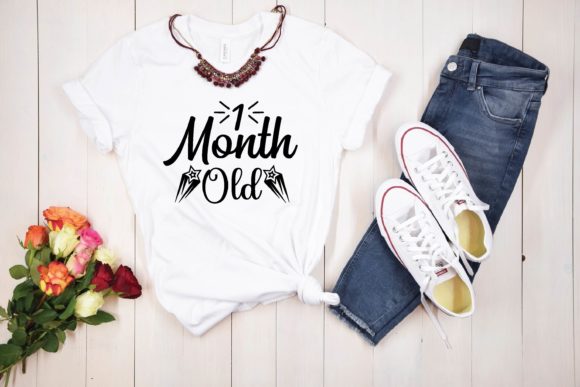
The first thing you notice about 1 Month Old Svg is its clean, celebratory aesthetic. It carries a mood of milestone achievement, specifically tailored for the delicate early stages of infancy. The layout is typically bold and centered, which is crucial for visibility on small garments. For an embroidery reviewer, the simplicity of the shapes is a double-edged sword. On one hand, simple shapes are easier to stitch cleanly. On the other, they leave little room for error if the digitizing is poor. The visual personality suggests a modern, minimalist approach rather than a cluttered, vintage style. This makes it highly versatile for contemporary parents who prefer understated elegance over excessive frills.
When considering this as part of your T-Shirt Designs or broader Graphics library, the clarity of the lines stands out. In embroidery, clarity equals longevity. A design that looks sharp on screen must also hold up after twenty washes. The thematic focus on the "one month" milestone gives it a specific niche appeal, making it a strong candidate for personalized gifts that carry emotional weight.
Real-World Application: The Baby Onesie Test
To truly understand the value of 1 Month Old Svg, I imagined a specific scenario: a custom order for a boutique client requesting a set of milestone onesies. The goal was to create a personalized gift that felt premium yet durable. Using this design, I considered how it would sit on a soft, stretchy cotton blend. Because the design is likely composed of solid shapes or bold outlines, it lends itself well to satin stitch borders or dense fill stitch areas, depending on how it is digitized for embroidery use.
If you are an Etsy seller or run a small shop product line, this type of design is a workhorse. It fits naturally on baby clothes, but do not limit yourself there. I have seen similar milestone graphics perform exceptionally well on tote bag design projects for new moms, where the larger surface area allows for more intricate stitching without compromising fabric integrity. It also works beautifully on sweatshirt embroidery, where the thicker fabric can support heavier stitch counts without showing the backing material.
Navigating Fabric and Hoop Constraints
While 1 Month Old Svg is versatile, it requires careful handling on certain materials. If you are working with thin or stretchy fabric, such as rayon or lightweight jersey, you must prioritize your stabilizer choice. A cut-away stabilizer is often safer than tear-away for garments that will undergo frequent washing and stretching. Without proper support, even a well-digitized design can distort, turning crisp letters into wavy messes.
Another critical consideration is the hoop size. Since this design is intended for babies, you are likely working with small hoops, such as 4x4 or 5x7 inches. You must ensure that the design scales down appropriately. Tiny details can get lost or become dense clumps of thread if the scale is too small. Always check the stitch density before hitting the start button. High density on small text or intricate corners can lead to needle breaks or fabric perforation. If the original SVG is complex, you may need to simplify certain elements when converting it into an embroidery file.
For those considering this for custom apparel like caps or curved surfaces, be cautious. Curved areas distort designs differently than flat surfaces. A design that looks perfect on a flat mockup might appear stretched or compressed on a hat brim. Test stitching on scrap fabric that mimics the curvature of your final product is non-negotiable here.
Commercial Viability and Brand Consistency
From a business perspective, 1 Month Old Svg offers strong commercial potential. Milestone products are evergreen; there is always a new baby reaching the one-month mark. For craft business owners, this means a reliable stream of demand. However, standing out in a saturated market requires more than just using the design. It requires thoughtful execution.
Consider your thread colors. While traditional baby blues and pinks are safe, modern buyers often appreciate gender-neutral palettes like sage green, mustard yellow, or slate gray. These choices can elevate a standard handmade product into a boutique-quality item. Additionally, consistency in your presentation matters. Use high-quality printable mockup tools to showcase how the design looks on various items, from embroidered patch applications to full-front tote bag prints.
It is also vital to address licensing. Since 1 Month Old Svg is described as an instant download cutting file, you must verify if the creator grants rights for commercial embroidery use. Many SVG licenses are strictly for personal crafting or vinyl cutting. Selling finished embroidered items using a design not licensed for commercial embroidery can lead to legal issues. Always read the terms carefully. If the license is unclear, contact the designer directly. Protecting your craft business is as important as creating beautiful items.
Practical Designer Notes for Best Results
Before you commit to a full production run, follow these practical steps to ensure quality:
- Test on Scrap Fabric: Never stitch a new design directly on the final garment. Use a similar fabric scrap to check for puckering or registration issues.
- Check Contrast: Ensure your thread color contrasts sufficiently with the fabric. Low contrast can make the design disappear, especially in photos for your Etsy listings.
- Inspect Small Details: Zoom in on your digitizing software. Look for overlapping stitches or unnecessary jumps that could cause thread breaks.
- Mockup in Black and White: This helps you see the structure of the design without the distraction of color, revealing any balance issues.
- Verify File Compatibility: Since this is an SVG, ensure you have the correct software to convert it into machine-readable formats like PES, DST, or EXP if it is not already provided as an embroidery file.
In conclusion, 1 Month Old Svg is a promising asset for designers willing to put in the preparatory work. It bridges the gap between digital design assets and tactile holiday embroidery or everyday wear. By respecting the limitations of the medium and prioritizing technical precision, you can transform a simple cutting file into a cherished baby embroidery keepsake. Whether you are creating for a wedding gifts registry or stocking your small shop product inventory, this design holds value if treated with professional care.