Review: The Best Time to Go Fishing Embroidery Design
As a designer who has spent countless hours digitizing and testing machine embroidery design files, I approach every new asset with a critical eye. It is not enough for a graphic to look good on a screen; it must translate seamlessly into thread, withstand the tension of the needle, and hold up under the scrutiny of a paying customer. Recently, I evaluated T-shirt Design - the Best Time to Go Fis, a digital asset marketed toward crafters and small business owners. While the product description highlights its compatibility with cutting software like Cricut and Silhouette, my focus was strictly on its potential as a high-quality embroidery file for real-world apparel and home decor projects.
First Impressions and Visual Personality
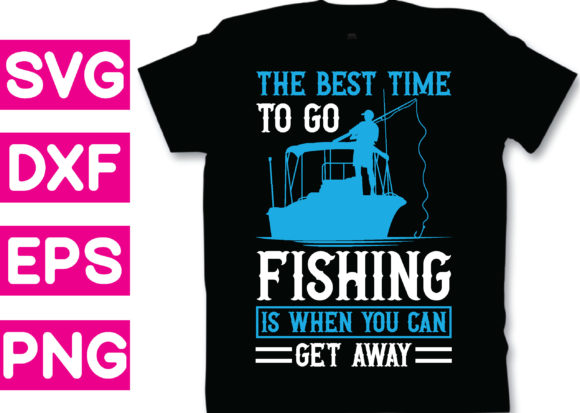
The immediate appeal of this design lies in its relatable humor and clean typography. The phrase "the best time to go fishing is when you can get away" captures a laid-back, outdoorsy mood that resonates deeply with a specific demographic. Visually, the layout appears balanced, avoiding the clutter that often plagues text-heavy graphics. For an embroidery project, this simplicity is a virtue. Complex, overly detailed illustrations can become muddy when stitched out, but a strong typographic focus allows the texture of the thread to enhance the message rather than compete with it.
When I visualize this Graphics asset translated into stitch, I see a versatile piece that fits naturally into the casual, rustic aesthetic popular in boutique branding. It does not scream for attention with excessive ornamentation; instead, it relies on the charm of the sentiment. This makes it an excellent candidate for custom apparel where the wearer wants to express personality without wearing a billboard.
Real-World Application: The Custom Sweatshirt Test
To truly understand the value of T-shirt Design - the Best Time to Go Fis, I imagined a specific client scenario. A local outdoor guide wanted branded merchandise for his weekend workshops. He needed something durable, professional, yet approachable. A sweatshirt embroidery project seemed like the perfect test bed. Unlike thin t-shirt material, the heavier fabric of a sweatshirt provides a stable foundation for stitching, allowing the design to sit flat and crisp.
In this context, the design performs well because it offers ample opportunity for creative thread choices. Using a matte cotton thread for the text against a heather grey fleece creates a subtle, sophisticated look. If the design includes any illustrative elements, such as a simple fish silhouette or water ripple, these can be executed with a combination of satin stitch for smooth edges and fill stitch for broader areas. The result is a handmade product that feels premium, justifying a higher price point for the Etsy seller or small shop product creator.
Navigating Technical Challenges
However, no design is without its pitfalls, and experienced embroiderers know that context is everything. While this design may work beautifully on a sturdy hoodie, caution is required when applying it to other materials. For instance, if you attempt to use this as a tote bag design on lightweight canvas, you must pay close attention to stitch density. Too much saturation can cause the fabric to pucker or distort, ruining the clean lines of the text.
Similarly, using this on stretchy fabrics for custom apparel like performance tees requires a robust stabilization strategy. Without proper cut-away stabilizer, the repeated stress of wearing and washing can cause the stitches to pull away from the fabric. For curved surfaces, such as a baseball cap, the layout must be carefully centered. Text that is too long or arched incorrectly can look distorted on the front panel of a hat. Therefore, while the design is versatile, it is not universally plug-and-play for every hoop size or fabric type without adjustment.
Considerations for Small Details and Dark Fabrics
One area where many digital designs fail is in the translation of fine details to thread. If T-shirt Design - the Best Time to Go Fis includes intricate serifs or tiny decorative icons, these may not stitch out clearly at smaller scales. I recommend testing the design on scrap fabric first, specifically checking how the smallest elements render. On dark fabrics, contrast is key. A navy blue thread on a black shirt will vanish, so selecting high-contrast thread colors is essential for readability. This is particularly important for holiday embroidery gifts or personalized gift items where the recipient expects immediate visual impact.
Enhancing Brand Value and Customer Trust
For the craft business owner, the choice of design directly influences perceived value. A well-executed embroidery project signals professionalism and care. When customers see clean stitch paths, consistent tension, and thoughtful color pairing, they trust the maker. This design, with its witty and timeless message, supports brand consistency for shops focused on outdoor lifestyles, father’s day themes, or relaxation-focused products. It is not just a graphic; it is a conversation starter that enhances buyer engagement.
Moreover, using a reliable digital embroidery file reduces production errors. Fewer re-stitches mean higher profit margins and faster turnaround times. Whether you are creating an embroidered patch for a local club or a set of baby embroidery items for a nursery theme, the reliability of the source file matters. Always verify the licensing terms before selling finished items. While the product description mentions compatibility with cutting machines, ensure that your specific embroidery software can interpret the file format correctly to avoid technical glitches during production.
Practical Designer Notes for Success
Before committing to a large batch of commercial embroidery projects, take these practical steps:
- Test on Scrap Fabric: Always run a test stitch-out on the exact fabric weight and type you intend to use for the final finished product.
- Check Thread Contrast: Use black and white mockups to ensure the design remains legible regardless of color choices.
- Review Stitch Density: If the design feels heavy, consider reducing the density in your software to prevent fabric distortion, especially on lighter materials like tea towels or aprons.
- Confirm Hoop Size: Ensure the design fits comfortably within your machine’s hoop, leaving adequate margin for framing and stability.
- Inspect Small Details: Zoom in on the digitized file to check for unnecessary jump stitches or poorly defined corners that may need manual editing.
In conclusion, T-shirt Design - the Best Time to Go Fis offers a charming, marketable aesthetic that, when handled with technical precision, can elevate a range of design assets for the modern maker. It is a solid choice for those looking to add a touch of humor and warmth to their embroidery project lineup, provided they respect the technical limitations of their chosen materials. By combining this engaging graphic with skilled craftsmanship, you create not just a product, but a memorable experience for your customers.