Little Boss Svg: A Designer’s Review for Embroidery
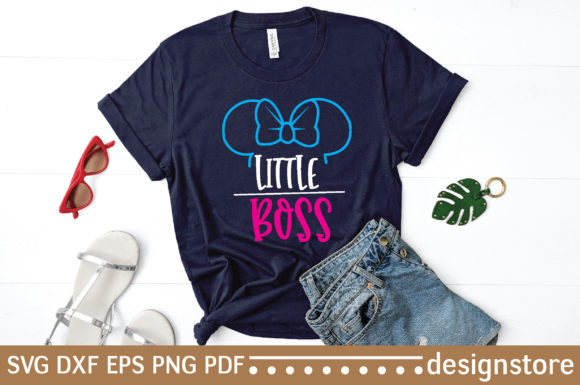
When I first pulled up the Little Boss Svg file on my screen, I wasn’t just looking at a graphic; I was visualizing how it would translate from a digital vector into thread and fabric. As an experienced designer who spends half my life tweaking stitch paths and the other half managing client expectations, I approach every new digital embroidery file with a mix of curiosity and caution. This particular design caught my eye not because it was overly complex, but because it possessed a clean, confident personality that often gets lost in translation when moved from print to stitch.
The immediate impression is one of playful authority. The layout balances bold lines with enough negative space to allow the fabric to breathe, which is crucial for maintaining clarity in a finished product. For those of us running a craft business or selling on platforms like Etsy, visual appeal is only half the battle. The real test is how the design holds up under the needle. Does it pull? Does it distort? Does it look as sharp on a textured towel as it does on a smooth t-shirt?
From Screen to Stitch: Real-World Application
I recently had a client request a set of custom items for a boutique baby shower. They wanted something modern, gender-neutral, and undeniably cute without being saccharine. Little Boss Svg fit the brief perfectly. I decided to test it on a high-quality cotton tote bag before committing to the full order. The result was striking. Because the design relies on strong shapes rather than microscopic details, it translated beautifully into a machine embroidery design without requiring excessive density.
This is where many designers stumble. They choose graphics that look stunning on a monitor but turn into a tangled mess of thread on fabric. With this design, the spacing allows for a balanced use of satin stitch borders and fill stitch interiors. If you are planning to use this for sweatshirt embroidery, the thicker fabric provides a stable base that enhances the dimensionality of the stitches. However, if you are aiming for custom apparel made from thinner materials, such as a lightweight tee, you must pay close attention to your stabilizer choice.
Navigating Fabric and Hoop Constraints
One of the most critical aspects of using any embroidery file is understanding its limitations regarding hoop size and fabric texture. While the listing indicates that the files can be printed on various items, embroidery is a different beast entirely. When working with Little Boss Svg, I found it versatile enough for standard hoops, but I would advise caution if you are attempting to place it on curved surfaces like caps.
Caps require specialized digitizing to account for the curve and the stiff buckram. If you are an Etsy seller looking to expand into headwear, do not assume a flat SVG will work seamlessly without adjustment. For flat items like tote bag design projects, aprons, or pillow covers, the design shines. The clean lines ensure that even after multiple washes, the integrity of the shape remains intact, provided the stitch density is appropriate for the thread weight you are using.
Another consideration is dark fabric. If you are stitching on black or navy, you need to ensure high contrast. I recommend testing the design in a black-and-white mockup first. If the details disappear in grayscale, they will likely get lost in low-light conditions or on dark garments. For baby embroidery, pastels are common, so ensuring your thread colors pop against soft yellows, pinks, or mint greens is essential for that premium handmade look.
Commercial Viability and Brand Consistency
For small shop owners, consistency is key. A design like Little Boss Svg offers a distinct visual identity that can help build brand recognition. Whether you are creating holiday embroidery gifts or year-round personalized gift items, having a library of reliable graphics saves time and reduces error rates. This design fits well into the category of T-Shirt Designs and general Graphics that appeal to a broad audience, from proud parents to fun-loving adults.
However, before you list these items in your store, you must verify the licensing terms. The product description mentions it is an instant download containing SVG, PNG, DXF, and EPS files. While these formats are excellent for cutting machines and printing, embroidery machines typically require specific formats like PES, DST, or JEF. It is vital to check if the seller provides native embroidery files or if you need to digitize the SVG yourself. If you are digitizing it, pay attention to the running stitch connections and underlay stitches to prevent puckering.
Practical Tips for Best Results
To get the most out of this design, follow these practical steps:
- Test on Scrap Fabric: Always run a test stitch-out on the same type of fabric you intend to use for the final product. This helps you adjust tension and density.
- Check Stabilizer: Use a cut-away stabilizer for stretchy fabrics like jersey knits and a tear-away for stable wovens like canvas or denim.
- Review Detail Level: Inspect the smallest elements of the design. If they are too thin, they may break during washing or wear.
- Contrast Matters: Ensure your thread color contrasts sufficiently with the fabric background to maintain legibility.
- Verify Licensing: Confirm whether the license allows for commercial use of finished physical items, especially if you are selling on marketplaces.
In conclusion, Little Boss Svg is a strong contender for your next embroidery project. It balances charm with technical feasibility, making it suitable for both novice crafters and seasoned professionals. By respecting the material constraints and preparing your machine correctly, you can create high-value handmade products that customers will love. Whether it’s for a custom embroidered patch, a cozy blanket, or a stylish apron, this design delivers a professional finish that elevates the perceived value of your work.